

Itchy, uncomfortable feet can make daily life unpleasant — and one of the most common culprits is athlete's foot. This fungal infection affects millions of people each year and thrives in warm, moist environments. The good news? With the right treatment, it can be managed and prevented effectively. Here’s everything you should know about athlete’s foot, including its causes, symptoms, treatment options, and how to stop it coming back.

Cold, wet weather can be tough on your feet. From chilly toes to dry, cracked skin, winter brings a unique set of challenges that can increase the risk of discomfort, skin problems, and even infections. Whether you’re out for a winter walk, commuting to work, or staying warm indoors, a little extra foot care goes a long way. Here are practical tips to keep your feet healthy, warm, and pain-free all winter long.

Foot pain is one of the most common reasons people seek podiatry care, and one of the leading culprits is plantar fasciitis. This condition can make even the simplest activities — like getting out of bed or going for a walk — feel painful and frustrating. The good news? With the right treatment and early intervention, most people recover well. Here’s what you should know about plantar fasciitis, including its causes, symptoms, and treatment options.

Whether you’re a seasoned marathoner, a weekend jogger, or someone who loves a good gym session, your feet play a crucial role in keeping you moving. With every step, they absorb impact, provide stability, and support your entire body. But increased activity also means a higher risk of foot and ankle problems - many of which can be prevented with the right care. Here are some essential foot health tips for runners and active people.
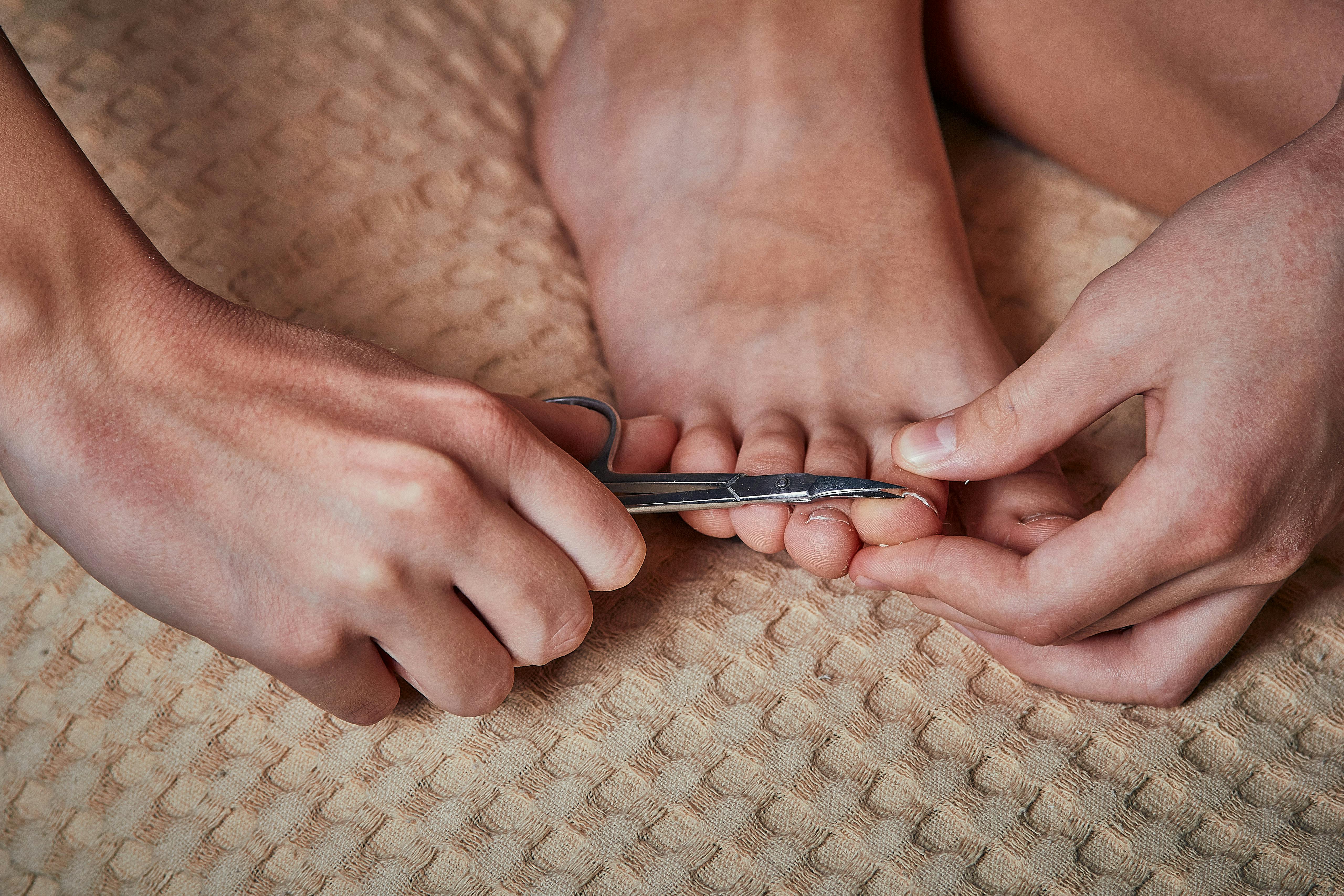
An ingrown toenail may seem like a small problem — but if left untreated, it can become painful, infected, and even interfere with daily activities like walking or exercising. The good news is that ingrown toenails are very common and can usually be treated effectively with the right care. Here's what every patient should know about this condition.

Our feet are the foundation of our mobility, carrying us through thousands of steps every day. But too often, early warning signs of foot problems are ignored — leading to more discomfort and even long-term issues. Knowing when to seek help can make all the difference in keeping your feet healthy and pain-free. Here are the top 5 signs it’s time to book an appointment with a podiatrist:

Our feet work hard every day, carrying us through life. Good foot care is essential not only for comfort but also for maintaining overall health and mobility.

If you’ve been putting up with a stubborn verruca or wart that just won’t go away, you’re not alone — and the good news is, there’s a modern, gentle treatment that can help your body clear it naturally.